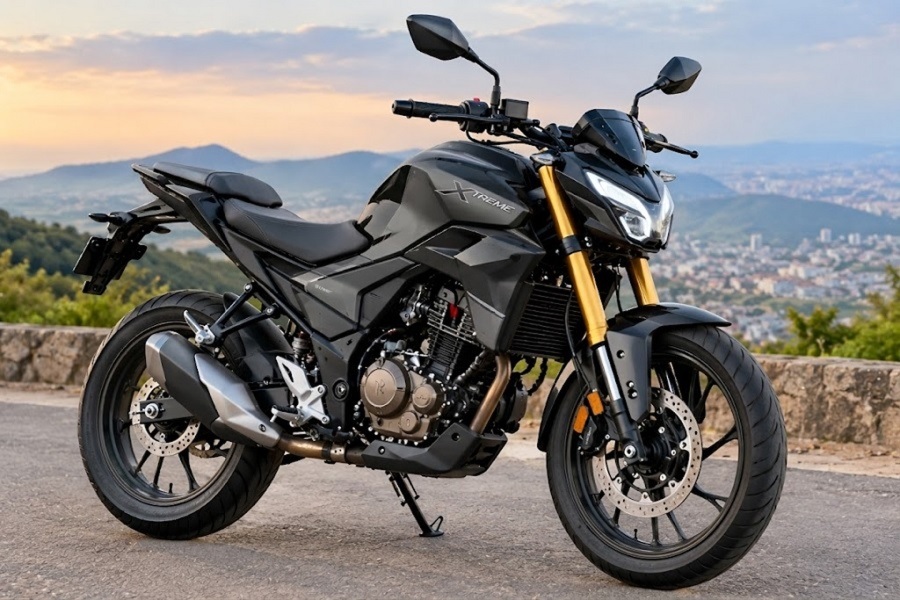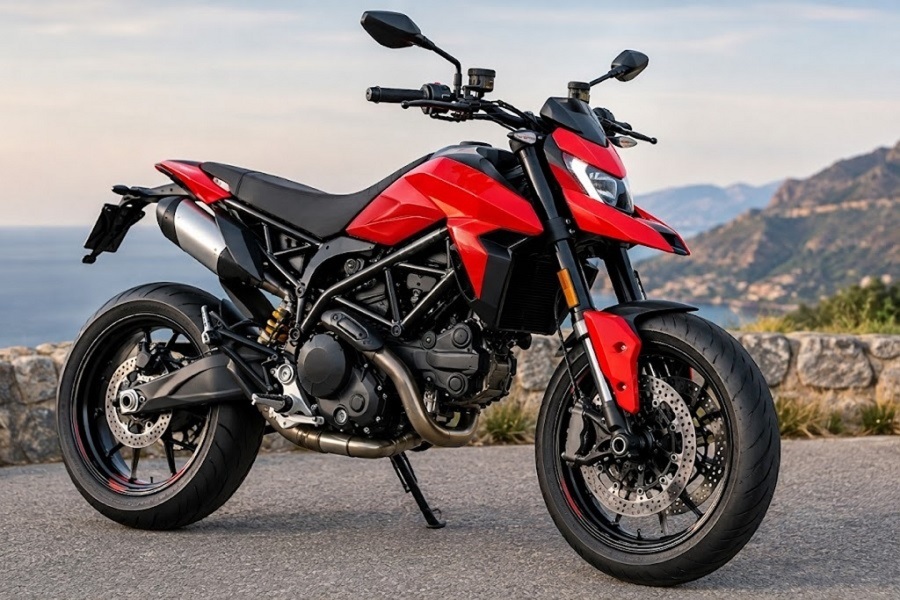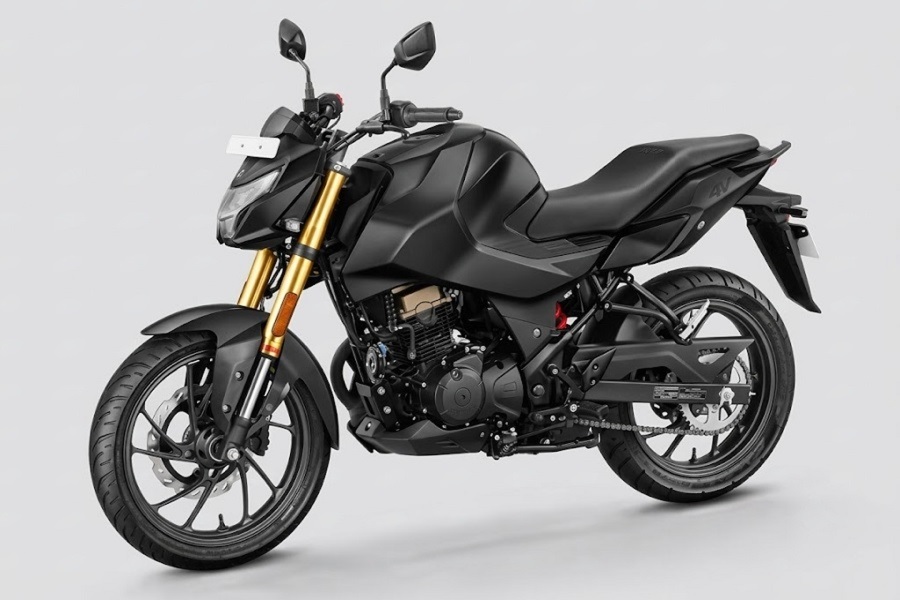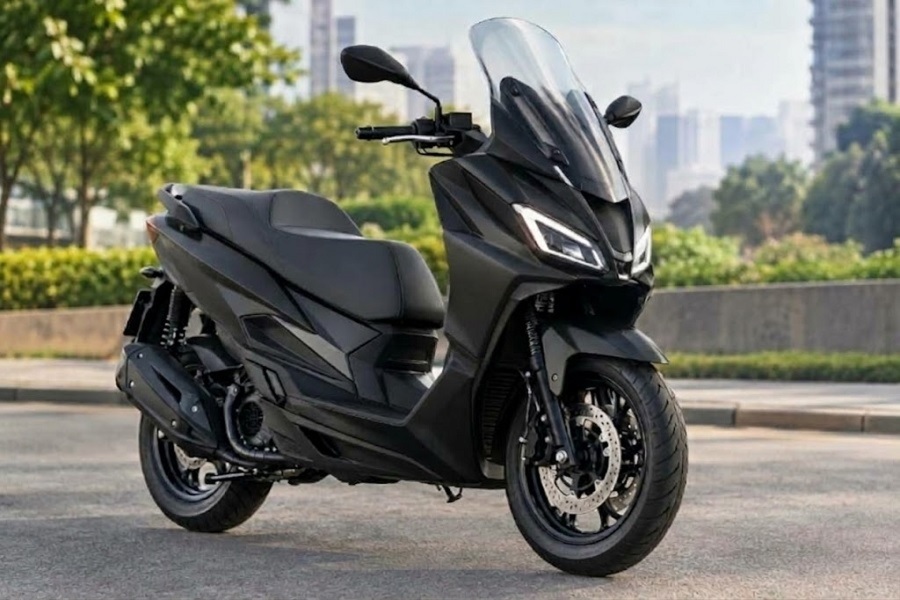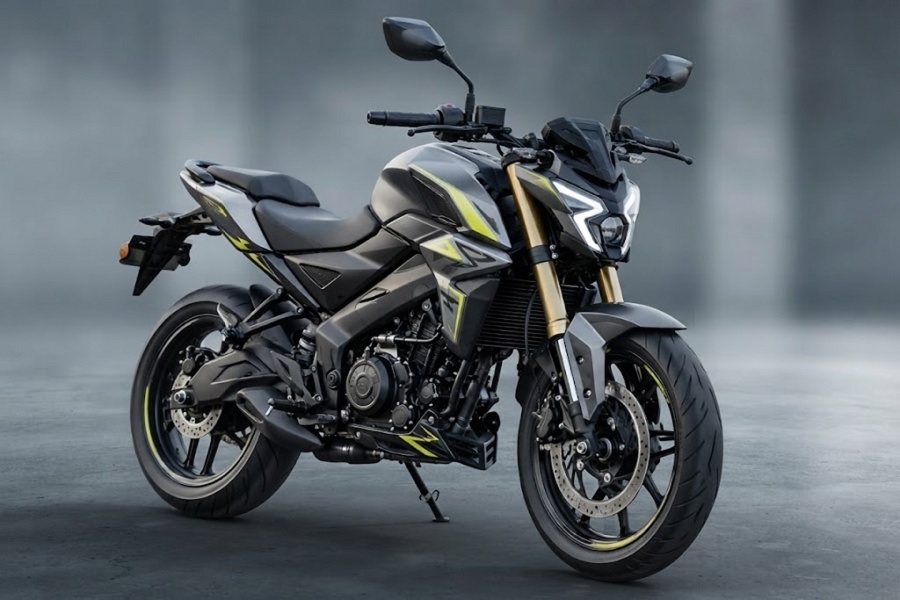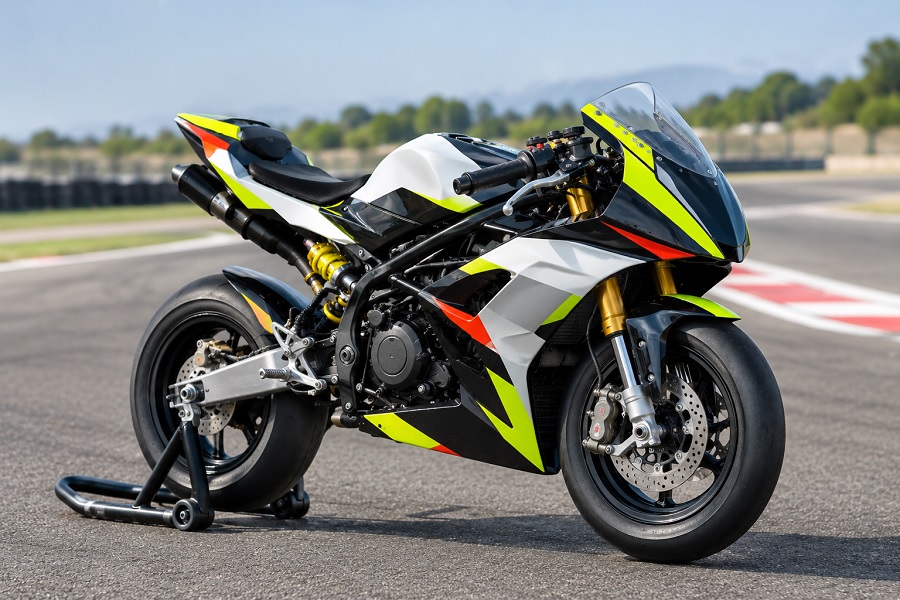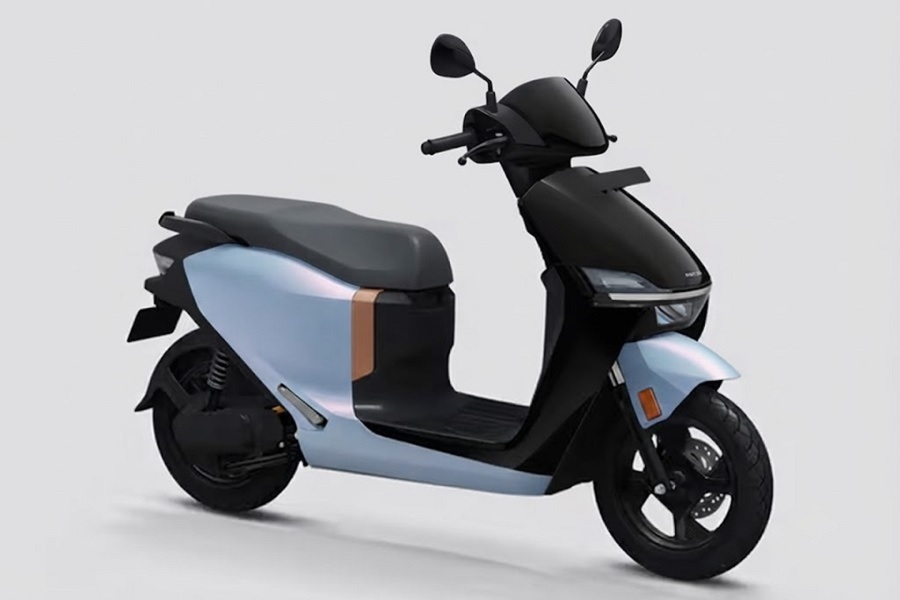


The Bajaj Ethanol Motorcycle is a significant step in the evolution of eco-friendly mobility solutions in India. Bajaj Auto, one of the leading motorcycle manufacturers in India, has ventured into the ethanol-powered motorcycle segment, aligning with the country's push towards sustainable energy and reducing dependence on fossil fuels. Here’s a detailed look at the Bajaj Ethanol Motorcycle:
Engine & Performance
Engine Type: 4-stroke, single-cylinder, air-cooled engine (expected similar to Bajaj’s conventional engines but optimized for ethanol use)
Fuel Type: Ethanol-based fuel (or E20, which is 20% ethanol mixed with 80% petrol, with future plans to support E85 or higher ethanol blends)
Power Output: Likely similar to current Bajaj models in the 125cc or 150cc category (around 11-14 bhp)
Torque: Approximately 12-13 Nm, optimized for good city and highway performance
Fuel System: Advanced fuel injection system to handle ethanol's characteristics, providing a smoother ride
Transmission: 5-speed gearbox or CVT (Continuous Variable Transmission), depending on the model variant
Ethanol Benefits
Sustainability: Ethanol, especially bioethanol derived from plants like sugarcane, maize, or even agricultural waste, offers a more sustainable and renewable energy source compared to fossil fuels.
Emissions: Ethanol burns cleaner than petrol, significantly reducing the carbon footprint and harmful emissions, making it a step towards greener mobility solutions.
Local Impact: Using ethanol can support local agricultural economies and reduce India’s reliance on imported oil.
Design & Build
Body Style: Likely similar to Bajaj’s existing commuter and sport-oriented models, such as the Pulsar or Platina, with a focus on practicality and durability
Frame: Steel or alloy frame with optimal weight distribution for urban commuting and long-distance cruising
Dimensions: Similar to other Bajaj motorcycles in the 125-150cc range, with a comfortable riding position for both city and highway usage
Weight: Estimated to be in the range of 120-140 kg, depending on the engine and features
Suspension & Brakes
Front Suspension: Telescopic fork suspension with a good range for absorbing road imperfections
Rear Suspension: Twin shock absorbers or monoshock (for a sportier variant)
Brakes:
Front: Disc brake (for better stopping power)
Rear: Drum brake or disc brake (depending on the variant)
Braking System: Likely features CBS (Combined Braking System) or ABS (Anti-lock Braking System) for enhanced safety
Range & Fuel Efficiency
Fuel Economy: Expected to be on par with or slightly better than regular petrol motorcycles due to the higher energy content of ethanol, potentially offering up to 40-50 km/l (depending on the blend of ethanol used and the bike's efficiency)
Fuel Tank Capacity: Around 12-15 liters, depending on the model, providing a good range between refills
Features & Technology
Digital Instrument Cluster: Likely to feature a modern, digital speedometer with fuel efficiency, battery status, and trip meters
LED Lighting: Modern LED headlights, tail lights, and indicators for better visibility and aesthetics
Smart Technology: Potential for Bluetooth connectivity or app integration for monitoring fuel efficiency, maintenance, and performance
Price & Availability
Price: Likely to be priced competitively with similar petrol-powered motorcycles in the same segment, with an expected price range of ?90,000-?1,20,000, depending on the variant and features.
Launch: The ethanol-powered motorcycle is expected to be launched in phases, starting with select markets in India where ethanol infrastructure is being developed. Bajaj has indicated its support for ethanol blending in India, aligning with government initiatives like E20 (20% ethanol blending with petrol).
Environmental Impact
Reduced Carbon Emissions: Ethanol reduces greenhouse gas emissions by up to 70% compared to traditional petrol. With its renewable origin, it contributes significantly to decreasing global warming potential.
Energy Independence: By using locally produced ethanol, the motorcycle will contribute to reducing India's dependence on imported fossil fuels.
Competitors
While Bajaj’s ethanol motorcycle would be among the pioneers in India, it will face competition from other manufacturers like TVS, Hero MotoCorp, and Honda, who are also exploring alternative fuel sources like ethanol, electric, and hybrid vehicles.