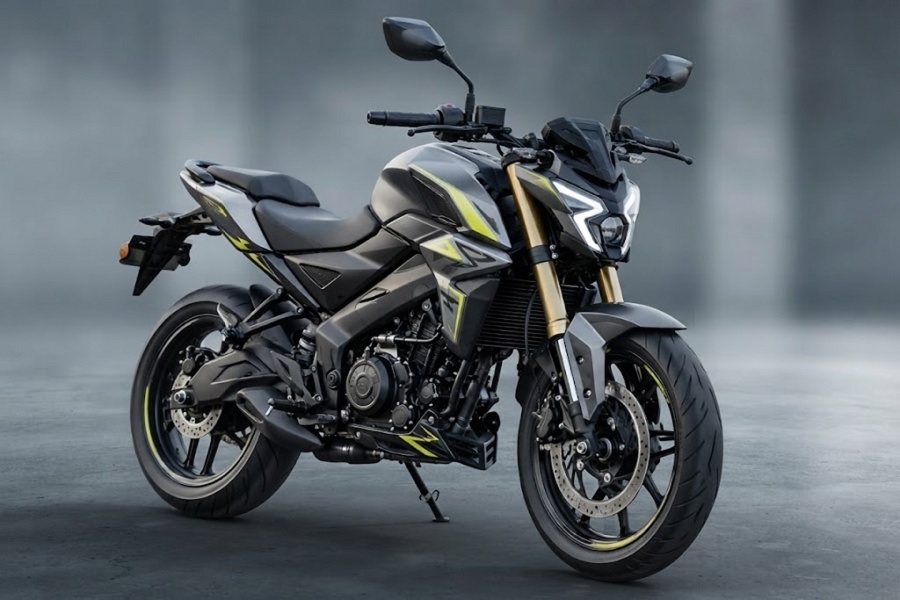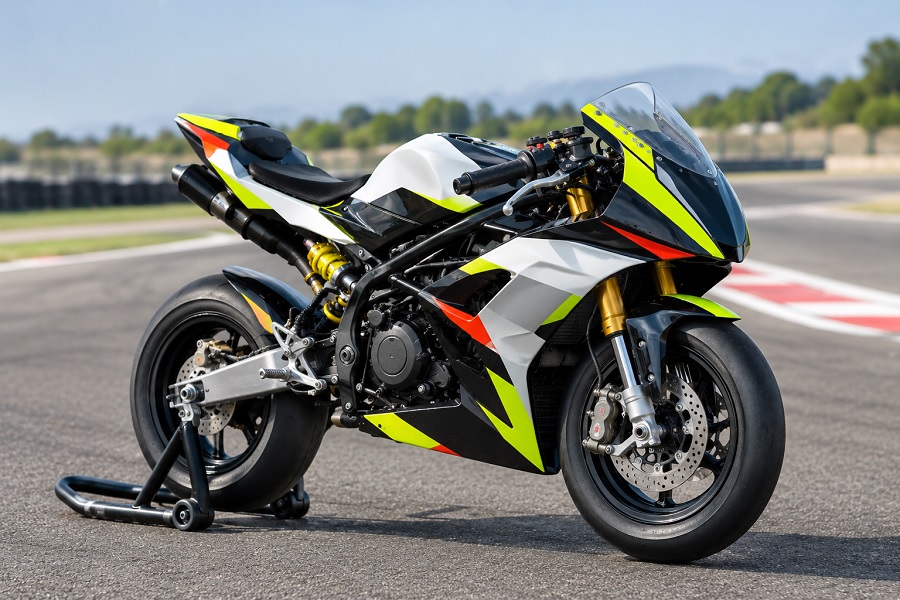


For a long time, the phrase "Electric Vehicle" (EV) in India brought to mind slow-moving scooters or practical commuter bikes designed solely to save money on petrol. While brands like Ola and Ather revolutionized the scooter market, there was a massive gap in the industry. Where were the fast bikes? Where was the adrenaline?
That gap is finally closing. The conversation around electric mobility has shifted from "saving money" to "pure performance," and sitting at the center of this conversation is the Ultraviolette F77.
Is this machine just a one-time wonder, or is it truly leading the electric superbike revolution in India? Let’s dive in.
The Rise of the "Made in India" Superbike
The Ultraviolette F77 (and its newer iteration, the F77 Mach 2) has grabbed headlines not just because it is electric, but because it looks and performs like a beast. Developed in Bengaluru, this motorcycle was designed with aviation DNA. It looks sharp, futuristic, and aggressive—completely breaking the stereotype that electric bikes look boring.
But looks aren't everything. The reason the F77 is considered a pioneer is its performance specs, which rival popular 300cc to 400cc petrol motorcycles (like the KTM Duke 390 or Kawasaki Ninja 300).
Key Highlights of the F77:
Why the F77 is Leading the Revolution
To lead a revolution, you have to be the first to do something successfully. Ultraviolette has done that by proving that an Indian startup can build a premium, high-performance machine that meets global standards.
1. Changing the Perception of Power
Before the F77, Indian riders believed that if you wanted speed and torque, you had to stick to petrol engines. The F77 offers instant torque—a unique characteristic of electric motors. There is no lag; when you twist the throttle, the power is immediate. This has hooked many petrol-heads who were previously skeptical about EVs.
2. Building Confidence in Battery Tech
One of the biggest fears regarding EVs is battery safety, especially in India's hot climate. Ultraviolette spent years on R&D to create a battery management system that includes multiple levels of safety protections (thermal, electrical, and mechanical). By offering a warranty of up to 800,000 km (on specific variants), they are forcing the industry to trust EV longevity.
3. Creating a Premium Segment
Most EV manufacturers in India chased the mass market (budget scooters). Ultraviolette went the other way. They targeted the premium audience who wants a lifestyle product. By doing this, they have opened the door for other big players (like Royal Enfield, TVS, and even international brands) to consider launching high-end electric motorcycles in India.
The Challenges Ahead
While the F77 is a fantastic machine, the "Revolution" still has some speed bumps.
The Future Outlook
Is the future bright? Absolutely.
The success of the F77 proves there is a market for fast electric bikes in India. We are already seeing ripples in the market. Ola Electric has showcased concepts for electric motorcycles (Roadster, Cruiser, etc.), and Tork Motors is pushing boundaries with the Kratos. Even traditional giants are investing heavily in EV platforms.
However, the Ultraviolette F77 will go down in history as the ice-breaker. It was the first bike that didn't ask riders to compromise on fun for the sake of the environment.
Conclusion
The electric superbike future in India is no longer a dream; it is here. While we are in the early stages, the Ultraviolette F77 is undoubtedly leading the charge. It has set a high benchmark for design, range, and safety. As battery costs drop and charging stations multiply, we will see more electric superbikes on Indian highways.
For now, if you want a taste of the future, the F77 is the bike to beat.