

When it comes to affordable, accessible, and undeniably cool V-Twin motorcycles, the Triumph Bonneville Bobber and the Harley-Davidson Nightster are two top contenders. Both promise a classic, laid-back riding experience with modern reliability, but they go about it in slightly different ways. Let’s dive into the details to help you decide which one might be the right fit for you.
1. Design & Aesthetics: Raw vs. Refined Cool
Triumph Bonneville Bobber:
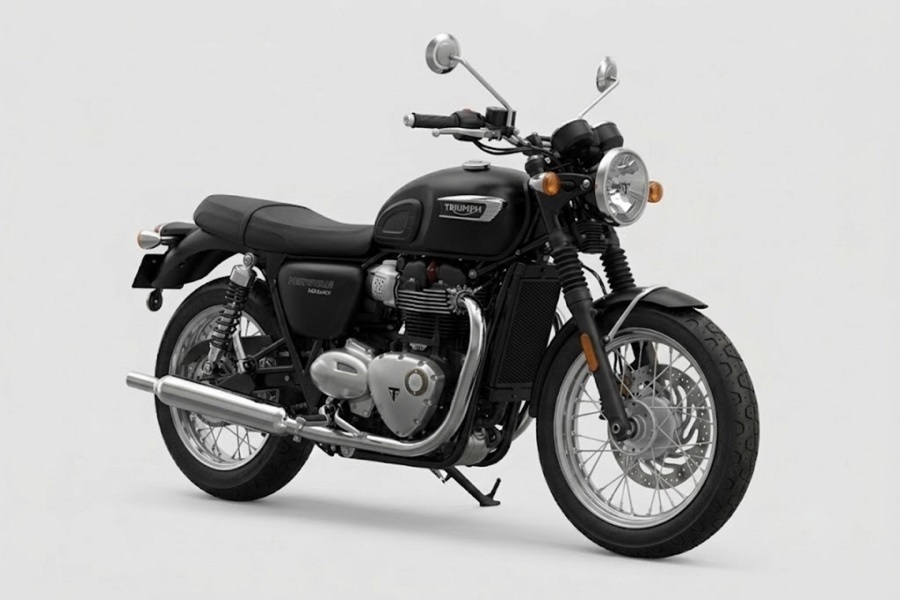
Look: Pure, unadulterated British classic. Think stripped-down, minimalist design. The Bobber features a fuel tank with classic Triumph badging, a short, stepped seat, slim fenders, and spartan bodywork. It’s all about raw, functional simplicity.
Details: Often comes with blacked-out components (engine covers, wheels) for a modern edge, but the core design is timeless. The front end is slightly more upright than some competitors.
Vibe: Rugged, no-frills, and instantly recognizable as a Bonneville.
Harley-Davidson Nightster:
Look: Modernized Harley DNA. The Nightster takes the classic Dyna street bike DNA but with cleaner lines, LED lighting (headlights, taillight), and a more contemporary feel. It has a wider, more aggressive stance.
Details: Features Harley’s signature V-Twin engine guard, stepped seat, and a slightly more pronounced "barricade" look. The fuel tank is larger and more pronounced.
Vibe: Sporty, confident, and undeniably Harley. It screams "American V-Twin" with a modern twist.
Winner for Pure Classic: Triumph Bonneville Bobber
Winner for Modernized Classic: Harley-Davidson Nightster
2. Engine & Performance: Parallel-Twin vs. V-Twin
Triumph Bonneville Bobber:
Engine: Triumph Tiger 1200 Parallel-Twin (specifically the Bobber version often uses the 1200R engine). 1200cc, liquid-cooled, DOHC, 4-valve per cylinder.
Power/Torque: Smooth, linear power delivery. Around 90-95 BHP and 80-85 lb-ft of torque (varies slightly by model year).
Riding Feel: Linear acceleration, easy to handle in traffic, linear throttle response. Great for urban commuting and relaxed cruising.
Harley-Davidson Nightster:
Engine: Harley-Davidson Nightster 1000 V-Twin (based on the Dyna Street Bob). 1000cc, air-cooled, OHV, 4-valve per cylinder.
Power/Torque: Thicker, more V-Twin character. Around 75 BHP and 70 lb-ft of torque (lower displacement = less power, but strong low-end torque).
Riding Feel: Thicker torque curve, more pronounced "thump" at idle and low RPMs. Linear but with a classic V-Twin vibe. Slightly heavier feel.
Winner for Power & Linearity: Triumph Bonneville Bobber
Winner for Classic V-Twin Character & Torque: Harley-Davidson Nightster
3. Riding Position & Handling
Triumph Bonneville Bobber:
Position: Very relaxed, almost reclined. Low seat height (around 30-31 inches), wide handlebars, short reach to the throttle. Feels like a relaxed lounge.
Handling: Planted and stable. The lightweight chassis (around 500 lbs wet) makes it nimble and easy to turn, especially in tight corners. Good for city riding.
Harley-Davidson Nightster:
Position: More upright than the Bobber, but still relaxed. Seat height around 30.5 inches, wider handlebars, slightly longer reach. More "in control" feel.
Handling: Stable and predictable. The slightly heavier weight (around 550-560 lbs wet) means less flickability, but the wide wheels and modern suspension make it very stable at all speeds. Excellent for highway cruising.
Winner for Ultra-Relaxed, Laid-Back Ride: Triumph Bonneville Bobber
Winner for Balanced Comfort & Stability: Harley-Davidson Nightster
4. Customization & Aftermarket Support
Triumph Bonneville Bobber:
Parts: Growing ecosystem, but still smaller than Harley. Triumph offers official accessories (seats, handlebars, exhausts, etc.).
Aftermarket: Increasingly popular, with many third-party vendors offering mods. Great for a unique, minimalist build.
Harley-Davidson Nightster:
Parts: Massive, established ecosystem. Harley-Davidson itself offers an enormous range of accessories and gear. Dealerships are everywhere.
Aftermarket: Huge selection from Harley and countless third parties. Whether you want a custom seat, exhaust, wheels, or full fairing, options are plentiful and well-supported.
Winner for Customization Depth & Support: Harley-Davidson Nightster (by a large margin)
5. Price & Value
Triumph Bonneville Bobber: Typically more affordable upfront. MSRPs often start around $8,000 - $9,000 (USD).
Harley-Davidson Nightster: Usually more expensive at launch. MSRPs often start around $10,000 - $11,000+ (USD).
Considerations:
Fuel efficiency is generally comparable for both (around 40-50 mpg in mixed use).
Insurance costs may vary slightly based on model, rider profile, and location.
Winner for Upfront Cost: Triumph Bonneville Bobber
6. Who is Each Bike For?
Choose the Triumph Bonneville Bobber if:
You want the purest, most minimalist classic V-Twin experience.
You prioritize lightweight handling and agility for city riding.
You like linear power delivery and a relaxed, reclined riding position.
You’re on a slightly tighter budget.
Choose the Harley-Davidson Nightster if:
You crave authentic Harley-Davidson V-Twin character and heritage.
You value superior aftermarket support and customization options.
You prefer a slightly more upright, stable riding position for longer rides.
You’re willing to invest a bit more for the Harley brand and ecosystem.
Final Verdict
Both the Triumph Bonneville Bobber and the Harley-Davidson Nightster deliver fantastic, accessible V-Twin experiences.
The choice ultimately comes down to personal preference:
For the love of pure, lightweight British classicism and agility: Go for the TriumphBonnevilleBobber.
For the authentic Harley V-Twin character, brand heritage, and endless customization: Go for the HarleyDavidsonNightster.
Whichever you choose, you’re getting a fantastic ride that captures the essence of the classic street bike.