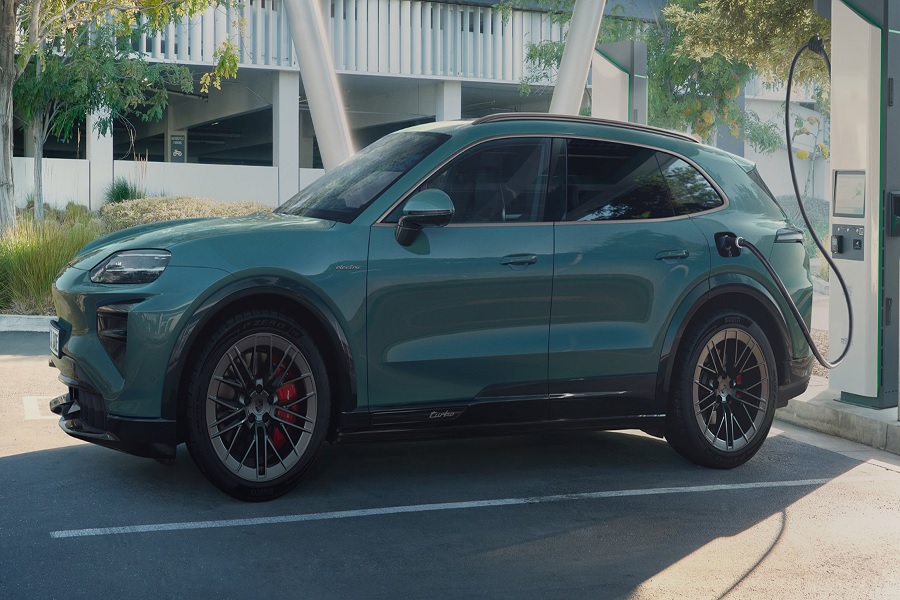






The electric vehicle revolution is accelerating at an unprecedented pace, but its success hinges on one critical factor: charging infrastructure. As we witness a transformative shift in how we power our transportation, the development of robust, accessible, and efficient charging networks is fundamentally reshaping the future of mobility.
The Current Landscape
Today's EV charging infrastructure has evolved far beyond the simple home chargers of early adoption days. Modern charging networks encompass everything from residential wall boxes to ultra-fast public charging stations capable of adding hundreds of miles of range in mere minutes. This diverse ecosystem is addressing one of the primary concerns that has historically held back EV adoption: range anxiety.
The numbers tell a compelling story. Globally, public charging points have grown exponentially, with installations doubling every two years in major markets. This rapid expansion is creating a virtuous cycle – more charging stations lead to increased EV adoption, which in turn drives further infrastructure investment.
Breaking Down Barriers
Speed and Convenience
The latest generation of DC fast chargers can deliver up to 350kW of power, enabling compatible vehicles to charge from 10% to 80% in under 20 minutes. This technological leap is making long-distance EV travel not just possible, but practical. Highway corridors are being equipped with high-power charging stations at regular intervals, mimicking the convenience of traditional gas stations.
Smart Integration
Modern charging infrastructure is increasingly intelligent. Smart chargers can communicate with the grid, optimizing charging times based on electricity demand and renewable energy availability. This bidirectional communication enables vehicle-to-grid (V2G) technology, where EVs can actually feed energy back into the grid during peak demand periods, turning cars into mobile energy storage units.
Workplace and Destination Charging
The proliferation of charging stations at offices, shopping centers, hotels, and parking garages is transforming everyday destinations into refueling opportunities. This distributed approach means EV drivers can top up their batteries while going about their daily activities, fundamentally changing the refueling paradigm from a dedicated stop to an integrated part of daily life.
Innovation Driving Change
Wireless Charging
Inductive charging technology is moving from concept to reality. Several cities are piloting wireless charging systems embedded in roads, allowing vehicles to charge while driving or waiting at traffic lights. This technology could eventually eliminate the need for physical charging connections entirely.
Solar Integration
Solar canopies over charging stations are becoming increasingly common, creating a direct link between renewable energy generation and EV charging. These installations not only provide clean energy but also offer weather protection for vehicles and can include battery storage systems for 24/7 green charging capability.
Ultra-Fast Charging Networks
Companies are developing next-generation charging networks with power outputs exceeding 500kW. These systems, combined with advanced battery cooling technologies, promise to reduce charging times to levels comparable with traditional refueling – under 10 minutes for a full charge.
The Road Ahead
The future of EV charging infrastructure points toward seamless, ubiquitous, and invisible integration into our built environment. Imagine pulling into any parking space and having your vehicle automatically begin charging without cables or cards. Picture highways with charging lanes that power vehicles as they drive, eliminating range limitations entirely.
Governments worldwide are accelerating this transition through substantial investments and regulatory support. The commitment to phase out internal combustion engines in many countries by 2035 or earlier is driving unprecedented infrastructure development. Public-private partnerships are emerging as the primary model for scaling charging networks rapidly and efficiently.
Challenges and Opportunities
While progress is remarkable, challenges remain. Grid capacity must be upgraded to handle increased electrical demand. Standardization of charging protocols and payment systems needs further refinement. Rural and underserved communities require targeted investment to ensure equitable access to charging infrastructure.
However, these challenges present opportunities for innovation and job creation. The charging infrastructure sector is generating thousands of new jobs in manufacturing, installation, maintenance, and software development. Local economies benefit from increased foot traffic at charging locations, creating new business models and revenue streams.
Conclusion
The transformation of charging infrastructure is not just changing the future of EVs – it's redefining our entire relationship with transportation and energy. As charging becomes faster, more convenient, and more widespread, the last barriers to mass EV adoption are crumbling. The convergence of renewable energy, smart grid technology, and advanced charging systems is creating a cleaner, more sustainable future for mobility.
The charging infrastructure revolution is here, and it's powering us toward an electric future that's arriving faster than many anticipated. The question is no longer if EVs will dominate our roads, but how quickly this transformation will occur.