




The Indian automotive landscape is undergoing a seismic shift. For years, the conversation around Electric Vehicles (EVs) in India was dominated by compact city cars or exorbitant luxury imports. However, Tata Motors, the undisputed leader of India’s EV revolution, is about to change the game entirely. With the impending launch of the Tata Harrier EV, India isn't just participating in the global electric transition—it is leading it with rugged sophistication.
A Design That Commands Attention
The Internal Combustion Engine (ICE) version of the Harrier is already a design icon, known for its formidable road presence and Land Rover-derived pedigree. The HarrierEV takes this "Alpha" DNA and propels it into the future.
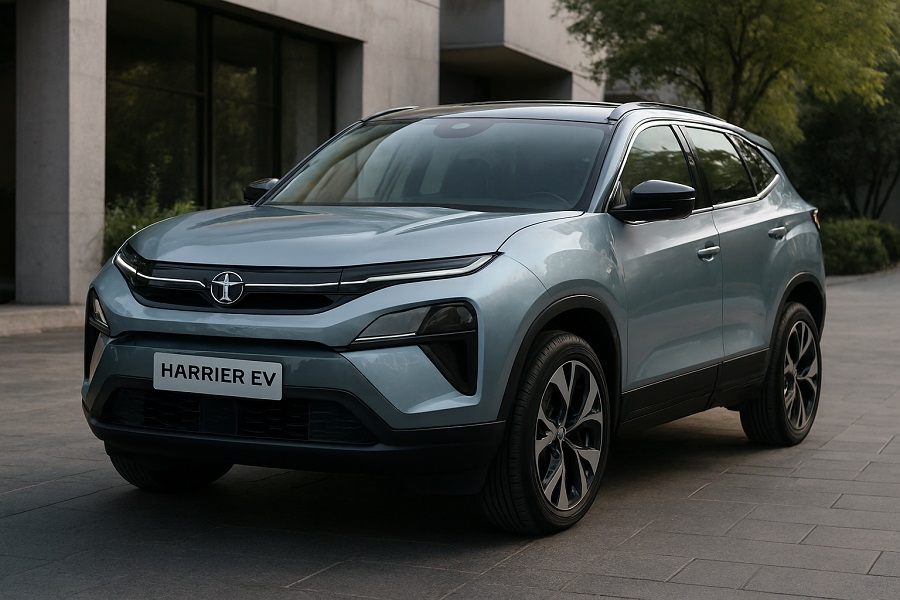
Showcased initially at the Auto Expo and later as a near-production model at the Bharat Mobility Show, the EV version retains the muscular silhouette but cleans up the lines for aerodynamics. The front grille is replaced by a sophisticated body-colored panel, flanked by futuristic connected LED DRLs. It isn’t just an SUV; it is a statement of modern Indian engineering.
The Game Changer: AWD Capability
For years, enthusiasts loved the Harrier but lamented one missing feature: 4x4 capability. Tata Motors has listened.
The Harrier EV is set to be a true "go-anywhere" SUV. Unlike its diesel counterpart, the EV architecture allows for a dual-motor setup, providing an All-Wheel Drive (AWD) configuration. This isn't just a cosmetic update; it transforms the Harrier into a legitimate off-roader capable of tackling treacherous terrains in silence. This move effectively bridges the gap between lifestyle sustainability and rugged utility.
Built on the ‘Acti.ev’ Architecture?
Tata’s commitment to EV technology is evident in their platform strategy. The Harrier EV sits on a heavily modified version of the OMEGAarc platform (derived from Land Rover’s D8), optimized for electrification. This "Gen 2" EV architecture ensures a flat floor, maximized cabin space, and a low center of gravity.
While official specs are yet to be fully revealed, industry experts anticipate a battery pack exceeding 60kWh, likely offering a real-world range of over 500 km on a single charge. This range effectively kills "range anxiety" for highway travelers.
Tech-Laden Interiors
Inside, the Harrier EV is expected to mirror the luxury of the recently facelifted ICE models but with added tech flair. We can expect:
A massive 12.3-inch infotainment system.
Voice-assisted panoramic sunroof.
V2L (Vehicle to Load) Technology: This allows users to power external devices—from camping gear to laptops—directly from the car’s battery.
V2V (Vehicle to Vehicle) Charging: The ability to charge another EV, showcasing a community-focused charging ecosystem.
Why This Matters for India
The launch of the Harrier EV is symbolic. It proves that Indian manufacturers can produce world-class electric SUVs that compete with global giants like Hyundai and MG on specs, safety, and design. With Tata’s legendary 5-star safety track record (expected to carry over to the EV), this vehicle offers peace of mind alongside performance.
As the government pushes for net-zero emissions, the Harrier EV serves as the perfect flagship for the MakeInIndia initiative. It targets the premium mid-size SUV buyer who wants luxury without the carbon footprint.
Conclusion
The Tata Harrier EV is more than just a car launch; it is a maturation point for the Indian EV industry. It combines the ruggedness India needs with the sustainability the world demands. When this silent beast finally hits the roads later this year, it won't just turn heads—it will change minds about what an electric SUV can be.