
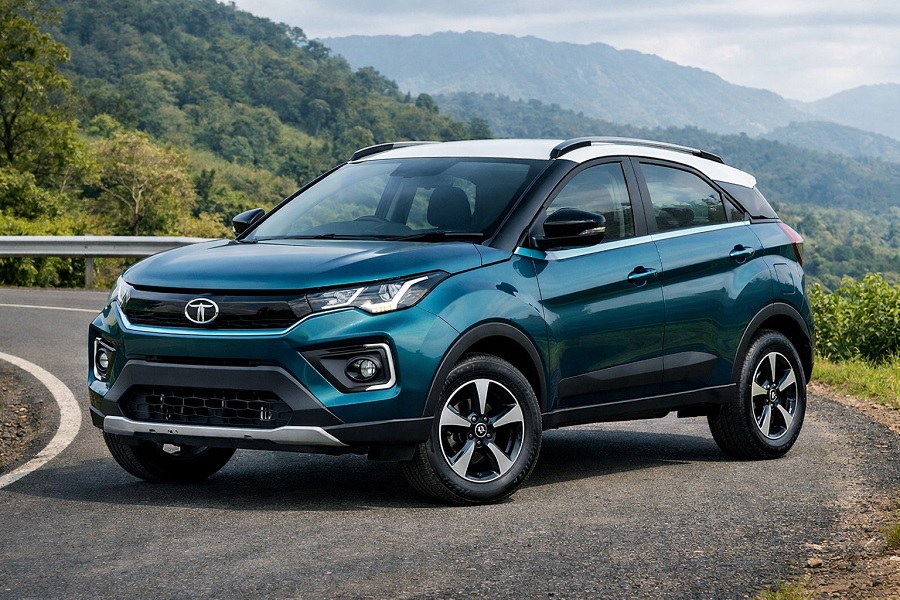




Electric vehicles are no longer limited to early adopters—they’re fast becoming a practical choice for daily commuting in India. Among the most popular options is the Tata Nexon EV, known for its affordability, safety, and strong brand trust. But how does it actually perform in real-world Indian conditions? Let’s break down a realistic range test based on typical city traffic, driving habits, and environmental factors.
Test Conditions: What “Real-World” Really Means
To simulate everyday usage, the test includes:
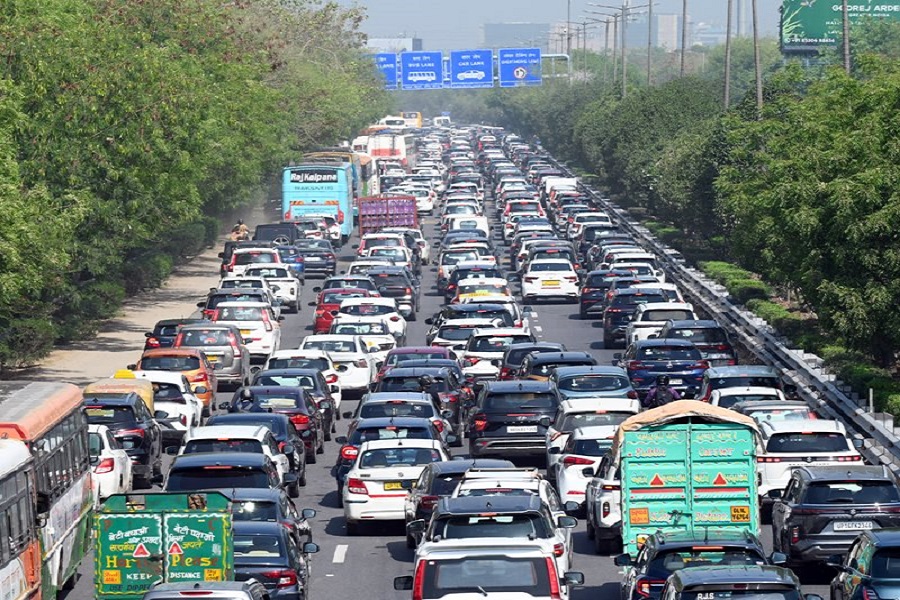
Heavy stop-and-go city traffic
Moderate highway stretches
Use of air conditioning (a must in Indian climates)
Mixed driving styles (eco + normal mode)
Passenger load of 2–3 people
Such conditions closely reflect driving in cities like Pune, Mumbai, or Bengaluru.
Claimed vs Actual Range
The Tata Nexon EV comes with an ARAI-certified range (depending on variant) of around 325–465 km.
However, real-world tests reveal:
City traffic (with AC): ~260–320 km
Highway driving: ~280–340 km
Aggressive driving: Drops to ~220–250 km
This gap is normal, as ARAI figures are tested under ideal conditions.
Key Factors Affecting Range
1. Driving Style
Sudden acceleration and high-speed driving drain the battery faster. Smooth driving significantly improves efficiency.
2. Air Conditioning Usage
In Indian summers, AC usage is unavoidable and can reduce range by 10–15%.
3. Traffic Conditions
Ironically, slow-moving traffic can sometimes help EVs due to regenerative braking—but excessive idling still consumes power.
4. Terrain & Roads
Hilly terrain or खराब roads increase battery consumption compared to flat city roads.
5. Regenerative Braking
The Nexon EV’s regen modes help recover energy, especially useful in city driving.
Real Driving Experience
During the test, the Tata Nexon EV delivered a stable and predictable range. The range estimator (distance-to-empty) adjusts dynamically, becoming more accurate as you drive.
Acceleration is smooth and instant
Silent cabin enhances comfort in traffic
Minimal vibration compared to petrol/diesel cars
Charging Reality Check
Home charging (15A socket): ~8–10 hours
Fast charging (DC): 10% to 80% in ~50–60 minutes
Public charging infrastructure is improving, especially in metro cities, but still developing in smaller towns.
Pros from the Test
Consistent real-world range suitable for daily use
Low running cost compared to fuel cars
Smooth and quiet driving experience
Regenerative braking boosts efficiency
Cons Observed
Range anxiety on long trips without charging stations
AC and aggressive driving reduce efficiency
Charging time still longer than refueling
Final Verdict
The Tata Nexon EV proves to be a reliable urban EV, offering a practical range of around 280–320 km in real Indian conditions. For daily commuting and occasional highway drives (with planning), it performs confidently.
If your usage is mostly city-based, this EV can significantly reduce fuel expenses while offering a modern driving experience. However, for frequent long-distance travel, charging infrastructure planning is still essential.