
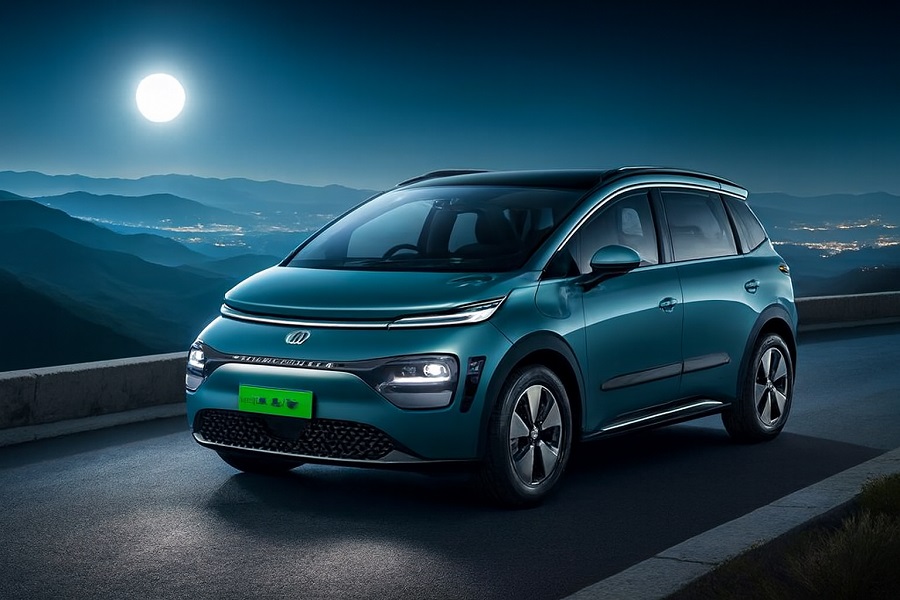




The Indian electric vehicle market is currently at a fascinating crossroads. While enthusiasm for green mobility is at an all-time high, the "sticker shock" of high upfront costs has remained a significant speed bump for the average middle-class buyer. Enter the MG Windsor EV. Launched recently by JSW MG Motor India, this Crossover Utility Vehicle (CUV) isn’t just another addition to the fleet—it is a strategic disruption that could alter how Indians buy and drive cars.
Here is why the MG Windsor EV is poised to be a massive game-changer in India.
1. The "Battery-as-a-Service" (BaaS) Masterstroke
The biggest headline regarding the #MGWindsorEV is its pricing strategy. By launching the vehicle at an aggressive starting price (approx. ₹9.99 Lakh ex-showroom) + a battery rental cost (₹3.5 per km), MG has effectively shattered the price barrier.
Traditionally, the battery pack constitutes about 30-40% of an EV's cost. By separating the battery from the car's upfront cost, MG has made a premium EV available at the price point of a mid-size ICE (Internal Combustion Engine) SUV like the Hyundai Creta or Kia Seltos. This BaaS (Battery-as-a-Service) model bridges the gap between aspiration and affordability, making #ElectricVehicles accessible to a much wider demographic.
2. The "Business Class" Comfort
Indian consumers love SUVs for their road presence, but they love MPVs for their comfort. The Windsor EV, marketed as India’s first Intelligent CUV, blends the two.
MG has focused heavily on the rear-seat experience—a crucial factor for Indian families. The "Aero-Lounge" seats can recline up to 135 degrees, a feature usually reserved for luxury sedans. Combined with a flat floor and a massive wheelbase (2700 mm), the cabin feels more like a living room than a car. For the chauffeur-driven executive or the family on a road trip, this level of spaciousness is a major selling point. #LuxuryTravel
3. Tech That Talks
MG built its brand in India on the "Internet Inside" tag with the Hector, and the Windsor takes it a step further. The center console is dominated by a massive 15.6-inch 'Grandview' touch display—currently the largest in the segment.
From controlling the vast "Infinity View" glass roof to managing the ambient lighting and checking battery stats, the UI is designed for the smartphone generation. In a market where buyers are increasingly prioritizing tech features over mechanical specs, the Windsor scores high. #AutomotiveTech
4. Practical Range for the Urban Jungle
With a 38 kWh battery pack delivering a claimed range of 331 km (ARAI), the Windsor hits the sweet spot for city commuting and occasional highway runs. While range anxiety is still a concern for many, a real-world range of 250+ km is more than sufficient for 90% of urban use cases. Furthermore, MG’s offer of free public charging for the first year (for early adopters) sweetens the deal, directly tackling the charging infrastructure hesitation. #GreenMobility
5. Forcing the Competition to Adapt
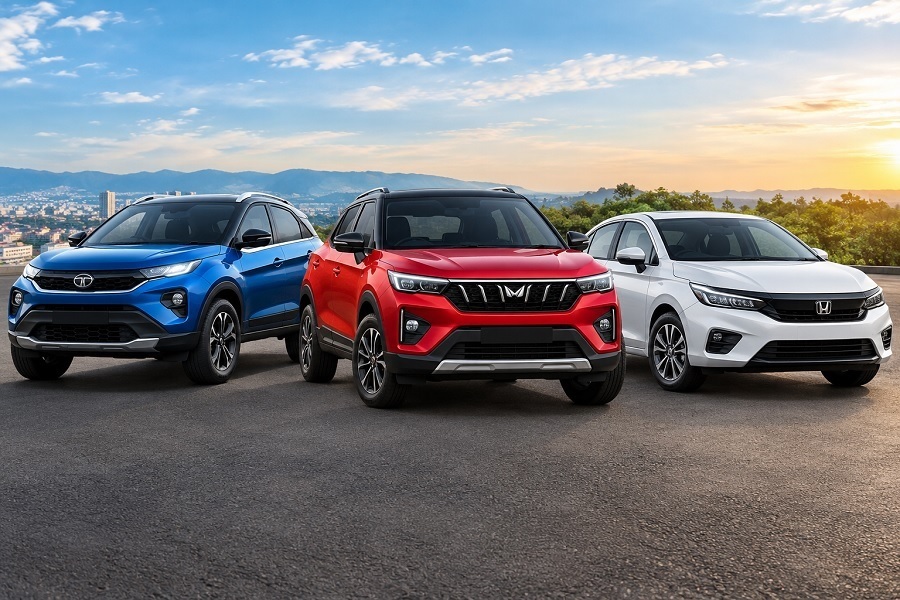
Perhaps the most significant aspect of the Windsor’s launch is the ripple effect it will have on competitors like Tata Motors and Mahindra. The Indian EV market has largely been a monopoly dominated by the Tata Nexon EV. The Windsor’s aggressive pricing and unique ownership model will force other manufacturers to innovate their financing models and feature lists. Competition breeds excellence, and the Indian consumer will be the ultimate winner. #MakeInIndia
The Verdict
The MG Windsor EV is not just a car; it is an experiment in consumer psychology. By removing the battery cost from the initial purchase, MG is betting that Indians will prefer lower EMI payments and a "pay-as-you-go" fuel model. If this model succeeds, it won't just make the Windsor a bestseller—it will rewrite the rulebook for EV adoption in developing markets.