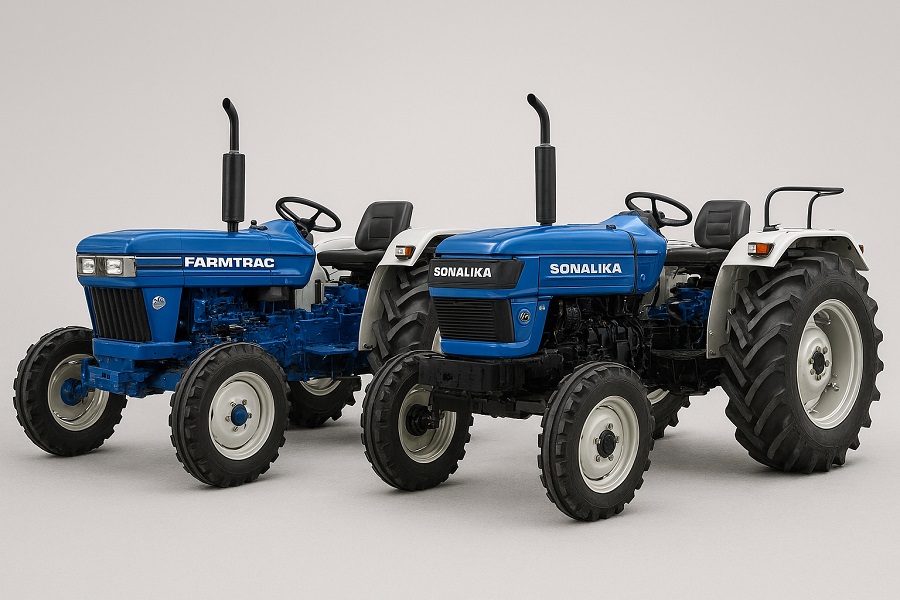
Head-to-Head: Farmtrac Champion 42 vs. Sonalika Tiger DI 42 PP 4WD

  • Source: TestDriveGuru
  • Posted by: TestDriveGuru
  • October 22, 2025
  • No Comments
  • Share

Choosing the right tractor in the 40-45 horsepower segment can be a daunting task for any farmer. This category is packed with capable machines, each offering a unique blend of power, features, and reliability. Two prominent contenders that frequently appear on the farmer's shortlist are the Farmtrac Champion 42 and the Sonalika Tiger DI 42 PP 4WD.

While they compete in a similar power class, they are designed with different philosophies and target different user needs. Let's break down their key differences to help you decide which workhorse is the perfect fit for your farm.

The Heart of the Machine: Engine and Power

Both tractors are built around a 3-cylinder engine, a standard for achieving a good balance of power and fuel efficiency in this segment.

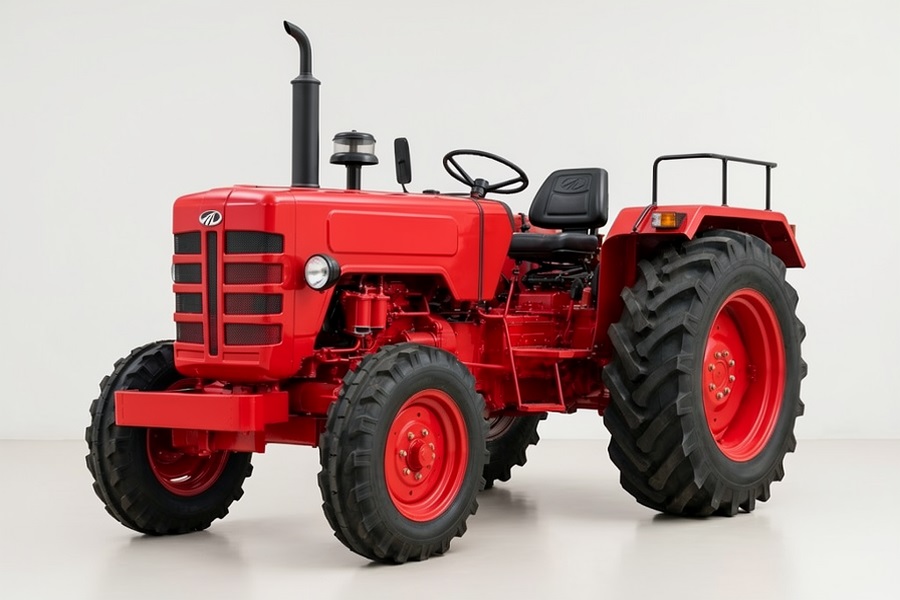
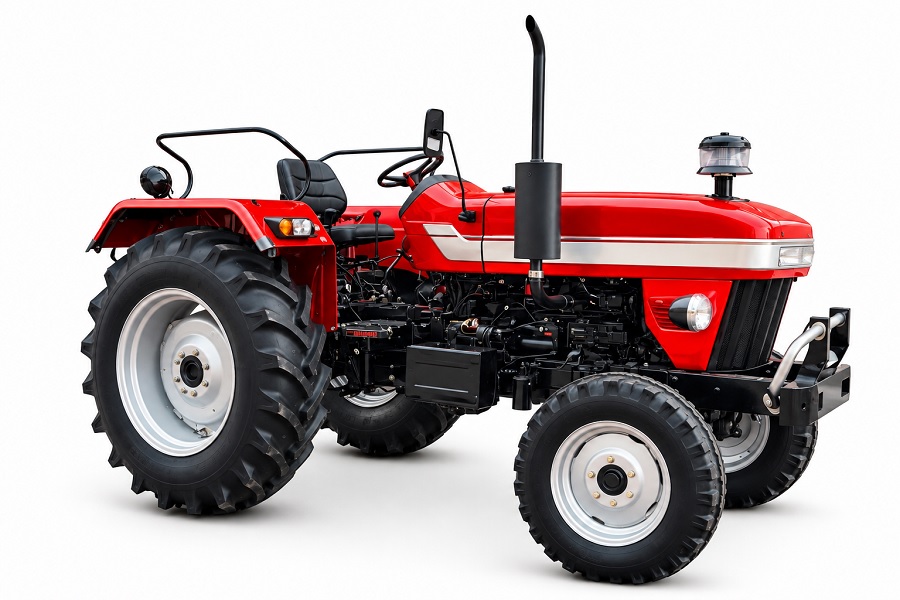
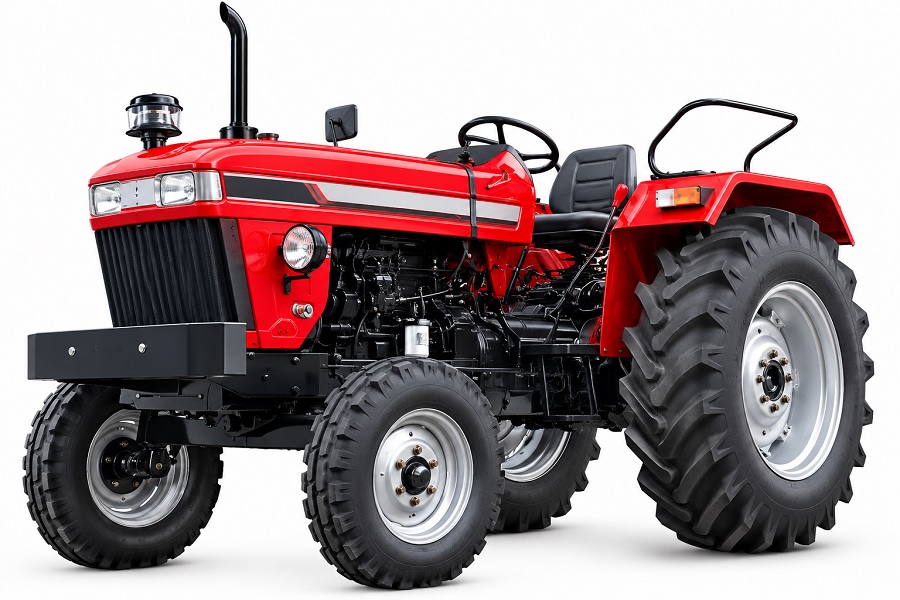
  • Farmtrac Champion 42: This tractor typically delivers around 42-44 HP. It is powered by an engine with a displacement of approximately 2340 cc. Farmtrac, a brand under the Escorts group, is known for its reliable and fuel-efficient engines that provide consistent performance for a variety of farm tasks.
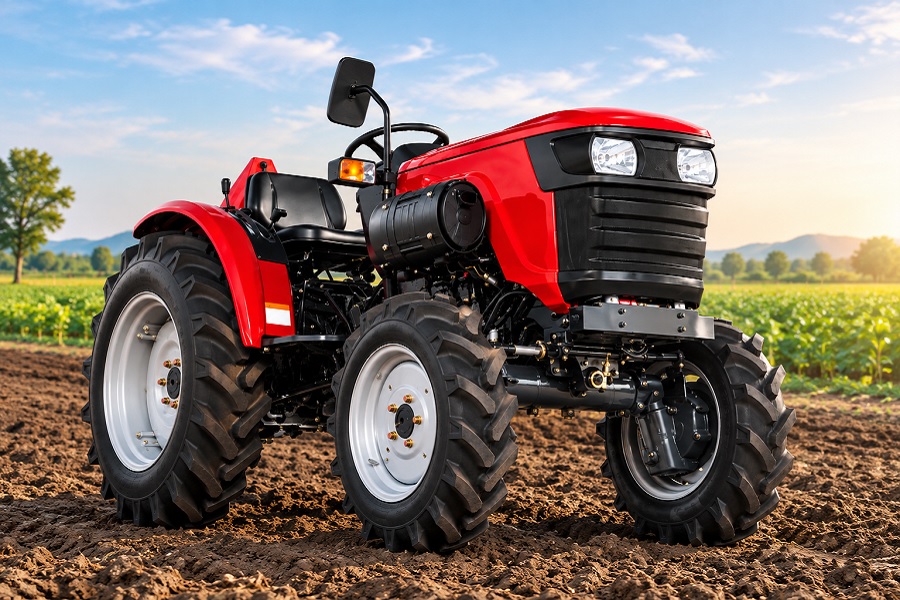
  • Sonalika Tiger DI 42 PP 4WD: The Sonalika also operates in the 42-45 HP range. However, its key differentiator is its significantly larger engine displacement, which is around 3065 cc. A larger displacement generally translates to higher torque, meaning the Sonalika may feel more powerful when pulling heavy loads or operating at lower RPMs. The "PP" in its name stands for "Plus Power," highlighting its focus on robust performance.

Verdict: While both have similar horsepower ratings, the Sonalika's larger engine suggests an advantage in raw pulling power and torque, making it potentially better for heavy-duty applications. The Farmtrac focuses on proven reliability and balanced efficiency.

Drivetrain and Traction: The 4WD Advantage

This is perhaps the most significant point of comparison between these two specific models.

  • Farmtrac Champion 42: This model is predominantly available as a 2-Wheel Drive (2WD) tractor. This is perfectly suitable for a majority of farming operations, including ploughing, tilling, and haulage on relatively flat and dry terrain. 2WD tractors are also generally more fuel-efficient and have a tighter turning radius.
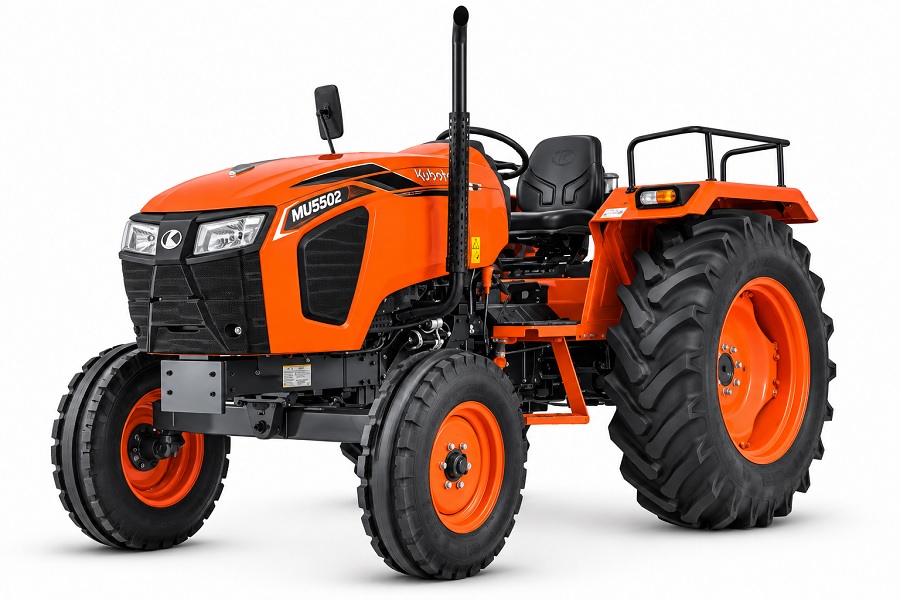
  • Sonalika Tiger DI 42 PP 4WD: As the name explicitly states, this is a 4-Wheel Drive (4WD) machine. This gives it a massive advantage in challenging conditions. The 4WD system provides superior traction in wet, muddy, or sandy soil, reduces wheel slippage, and enhances stability on uneven or hilly terrain. It is especially beneficial for tasks involving a front-end loader or dozer.

Verdict: If your farm has difficult soil conditions or you require maximum pulling force for implements, the Sonalika's 4WD is a clear winner. If your work is mainly on standard terrain, the Farmtrac's 2WD is a simpler and more economical choice.

Hydraulics and Lifting Capacity

A tractor's ability to lift heavy implements is crucial for its versatility.

  • Farmtrac Champion 42: It comes equipped with a capable hydraulic system, offering a lifting capacity of around 1500 kg. This is sufficient for most standard implements like cultivators, rotavators, and seed drills used in this HP category.
  • Sonalika Tiger DI 42 PP 4WD: The Sonalika often boasts a higher lifting capacity, typically in the range of 1800 kg to 2000 kg. This extra capacity allows it to handle heavier and more advanced implements, giving the farmer more operational flexibility.

Verdict: The Sonalika Tiger offers a superior lifting capacity, making it a better choice for farmers planning to use heavier attachments.

Comfort, Brakes, and Steering

Both manufacturers understand the importance of operator comfort and safety.

  • Steering: Both tractors typically come standard with Power Steering, which significantly reduces operator fatigue during long hours of work.
  • Brakes: Both are equipped with Multi Plate Oil Immersed Brakes. This modern braking system provides excellent stopping power, requires less maintenance, and has a longer lifespan compared to older dry brake systems.
  • Design and Ergonomics: The Sonalika Tiger series is known for its modern and aggressive styling, often featuring a more car-like dashboard and a comfortable operator platform. The Farmtrac Champion has a classic, robust design that is functional and has been trusted by farmers for years.

Verdict: This is a tie in terms of core comfort features like steering and brakes. The choice between them may come down to personal preference for classic, functional design (Farmtrac) versus modern aesthetics (Sonalika).

Quick Comparison Table

Feature

Farmtrac Champion 42

Sonalika Tiger DI 42 PP 4WD

Horsepower

~42-44 HP

~42-45 HP

Engine Displacement

~2340 cc

~3065 cc

Drivetrain

2WD (2-Wheel Drive)

4WD (4-Wheel Drive)

Hydraulic Lift Capacity

~1500 kg

~1800 - 2000 kg

Brakes

Oil Immersed Brakes

Oil Immersed Brakes

Steering

Power Steering

Power Steering

Key Advantage

Reliability, Economy, Simplicity

Superior Traction, Power, Lift Capacity

Conclusion: Which One Should You Buy?

The choice between the Farmtrac Champion 42 and the Sonalika Tiger DI 42 PP 4WD depends entirely on your specific needs.

Choose the Farmtrac Champion 42 if:

  • You need a reliable, fuel-efficient, and cost-effective tractor for general-purpose farming.
  • Your land is mostly flat and you work in relatively dry conditions.
  • You prioritize a trusted brand with a strong service network and a simple, no-nonsense machine.

Choose the Sonalika Tiger DI 42 PP 4WD if:

  • Your work involves challenging terrains like wet soil, mud, or hills.
  • You need superior traction and pulling power for heavy implements or loader work.
  • You require a higher hydraulic lifting capacity for modern, heavy attachments.
  • You appreciate modern design and features in your tractor.

Ultimately, both are excellent machines from reputable manufacturers. The best decision will always be made after visiting your local dealers, comparing current prices, and, most importantly, taking each for a test drive to see which one feels right for you and your farm.