
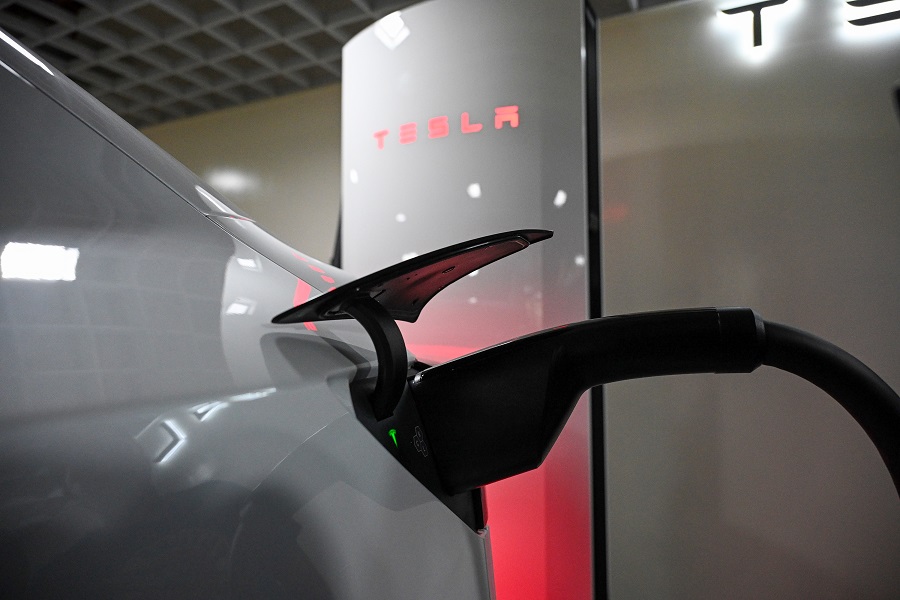




South Korea's deficit in the car trade with China rose to a record high in the January-October period on rising demand for Tesla electric vehicles (EVs) made in China, industry data showed on Sunday.
South Korea exported $168.77 million worth of cars to China in the first 10 months of the year, down 34.9 percent from the same period last year, according to data from the Korea International Trade Association (KITA) and the Ministry of Trade, Industry and Resources.
However, its imports of cars from China surged 79.2 percent on-year to $4.39 billion over the cited period, bringing the trade deficit to a record $4.23 billion, reports Yonhap news agency.
South Korea has recorded a deficit in the car trade with China every year since 2017, with the gap widening sharply from $466 million in 2022 to $943 million in 2023 and $1.73 billion in 2024.
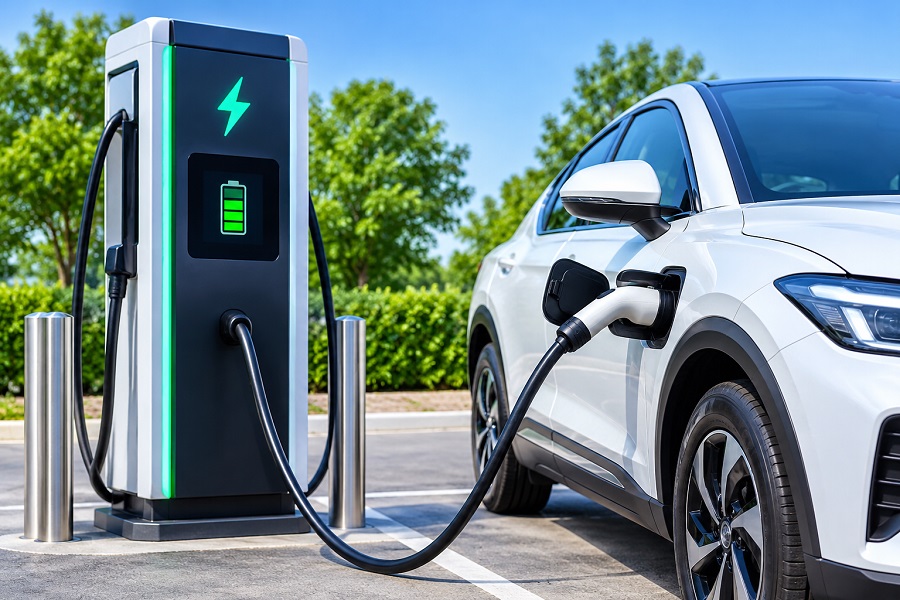
The widening deficit is largely attributed to strong sales of Tesla EVs manufactured at the U.S. automaker's Gigafactory in Shanghai.
According to separate data from the Korea Automobile Importers & Distributors Association (KAIDA), 98,313 Tesla EVs were sold in South Korea in the January-October period, up 105 percent from a year earlier.
China's BYD sold more than 20,000 cars in South Korea over the cited period. Additionally, Polestar has been selling China-made EVs in the country.
The surge in imports of China-made vehicles helped China overtake Germany as South Korea's largest source of car imports in the first half of the year.
Meanwhile, South Korea's transport ministry said it cannot review Tesla Inc.'s request for an exemption from local vehicle safety standards to offer its Full Self-Driving (FSD) feature, citing insufficient documentation.
The Ministry of Land, Infrastructure and Transport said the Korea Transportation Safety Authority notified Tesla Korea that further verification and supplementary documentation were needed for a technical review.
Tesla Korea submitted its exemption application via email on Oct. 22 to offer the supervised FSD feature beyond the limits of existing vehicle safety standards.
The application included just two pages of technical documentation and three pages of cover sheets from Dutch approval documents, according to the ministry.
The decision could deal a setback to Tesla, South Korea's bestselling imported car brand, in its efforts to expand its FSD service in the country.