
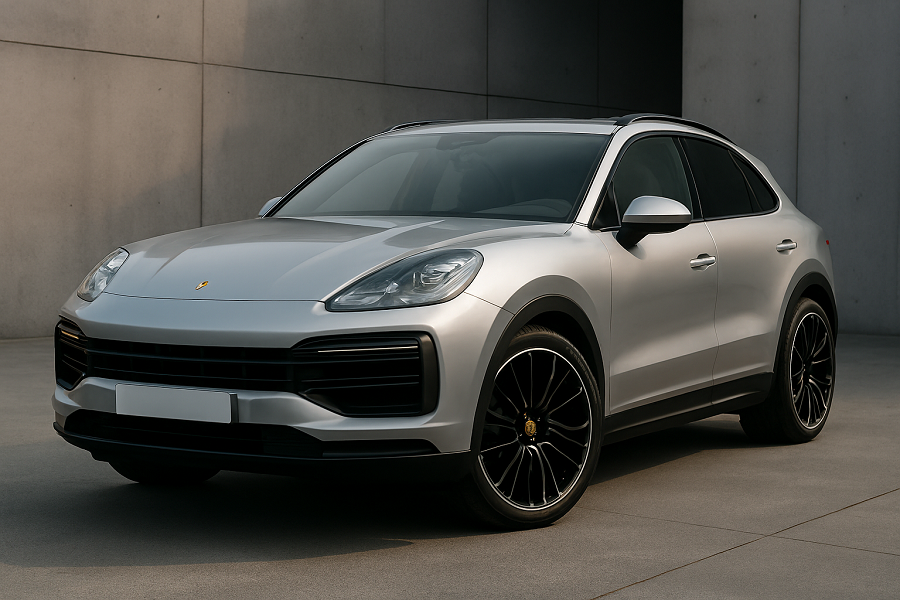




For two decades, the Porsche Cayenne has been the benchmark for the luxury performance SUV. It is the car that saved Porsche financially and proved that a sports car manufacturer could build a heavy hauler without losing its soul. Now, Stuttgart is preparing for its biggest paradigm shift yet: the Porsche Cayenne EV.
Following the success of the Taycan and the recent launch of the electric Macan, the fourth-generation Cayenne is set to ditch the combustion engine for a battery pack, promising to redefine the sector once again.
Here is what we know about the electrification of Porsche’s best-seller.
The PPE Platform: Built for Performance
The upcoming Cayenne EV will not be a converted internal combustion chassis. Instead, it is expected to ride on the Premium Platform Electric (PPE) architecture. This is the same sophisticated skeleton found under the new Porsche Macan EV and the Audi Q6 e-tron.
What does this mean for the driver?
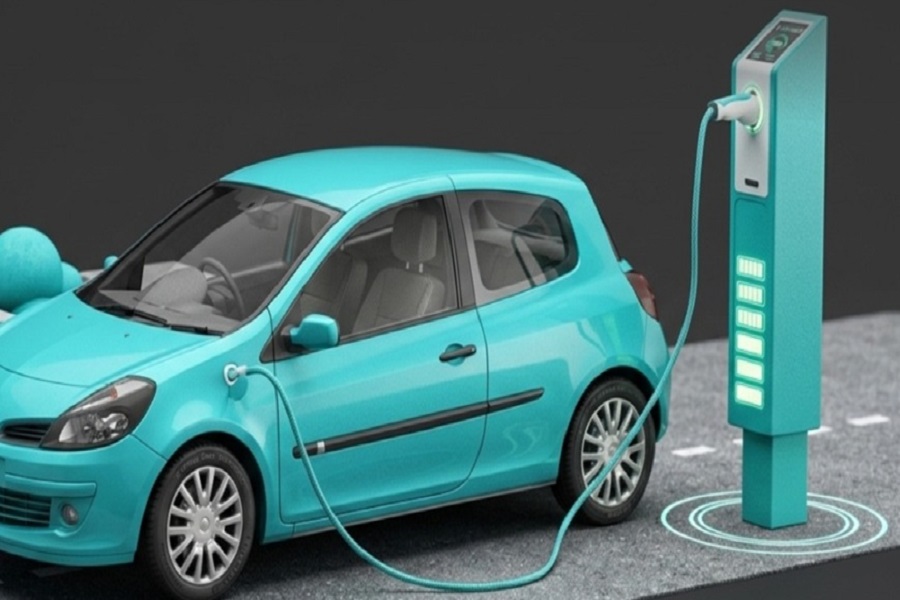
800-Volt Architecture: This ensures ultra-fast charging speeds, potentially charging from 10% to 80% in just over 20 minutes at compatible DC fast-charging stations.
Dual-Motor Configurations: Expect all-wheel drive as a standard, with higher trim levels (likely carrying the "Turbo" badge) pushing horsepower figures well past the current V8 models—potentially approaching 1,000 hp in top-spec versions.
Torque Vectoring: With electric motors, torque distribution is instant, meaning the Cayenne EV will likely handle corners with even more agility than its gas-powered predecessor.
#PorschePerformance #PPEPlatform #EVTech
A New Design Language
While the current Cayenne recently received a heavy facelift, the EV version will be a completely new vehicle. Spy shots and insider info suggest a slightly lower, more aerodynamic profile to maximize range.
Expect to see the "four-point" lighting signature that defines the modern #Porsche look, similar to the Taycan and Macan EV. The front grille will likely be closed off for aerodynamic efficiency, relying on active air flaps to cool the battery when necessary. While it will retain the muscular haunches the Cayenne is known for, the lines will be cleaner and more futuristic.
Inside the Digital Cockpit
Porsche has been moving toward the "Porsche Driver Experience" concept, which focuses on the driver while digitizing the cabin. The Cayenne EV will almost certainly feature:
A massive curved digital instrument cluster.
A central infotainment screen.
A dedicated passenger display (optional) for streaming video and navigation.
Porsche is also maintaining a commitment to physical quality, so expect a blend of sustainable, recycled materials alongside traditional leather options. #LuxuryCars #CarInterior #FutureTech
Co-existence with Combustion
One of the most interesting aspects of Porsche’s strategy is the transition period. Porsche has confirmed that the internal combustion (ICE) and Hybrid versions of the current Cayenne will continue to be sold alongside the new Cayenne EV for several years.
This strategy allows #Porsche to cater to markets where EV infrastructure is still developing, while offering early adopters the cutting-edge electric experience.
Release Date and The "K1"
The Cayenne EV is expected to arrive around 2026. However, it won't be the biggest electric Porsche for long. The brand is also working on a flagship seven-seater SUV, codenamed "K1," which will sit above the Cayenne in the lineup.
Conclusion
The Porsche Cayenne EV represents a massive gamble, but it is a necessary one. If the Taycan proved an electric car can be a sports car, the Cayenne EV aims to prove that an electric SUV can still be the "King of the Road." With the instant torque of electric motors and Porsche’s chassis wizardry, the electric Cayenne might just be the most capable version yet.