




The electric vehicle revolution is accelerating, and at the heart of it lies battery technology. While Lithium-Ion Battery has powered EVs for over a decade, a new contender—Solid-State Batteries—is gaining attention as a potential game-changer. But will it truly replace lithium-ion batteries in cars? Let’s explore.
What Are Solid-State Batteries?
Unlike traditional Lithium-Ion Battery, which use liquid electrolytes, Solid-State Batteries use a solid electrolyte.
This fundamental change offers several advantages:
Higher energy density
Improved safety (less risk of fire)
Faster charging potential
Longer lifespan
Key Advantages Over Lithium-Ion
1. Higher Energy Density
Solid-state batteries can store more energy in the same space, potentially increasing EV range significantly—imagine driving 700–1,000 km on a single charge.
2. Enhanced Safety
Liquid electrolytes in lithium-ion batteries are flammable. Solid electrolytes reduce the risk of overheating and fires.
3. Faster Charging
Solid-state technology could enable ultra-fast charging, reducing charging time to minutes instead of hours.
4. Longer Battery Life
These batteries degrade slower, meaning fewer replacements over a car’s lifetime.
Challenges Slowing Adoption
Despite the promise, Solid-State Batteries face major hurdles:
High Production Costs: Manufacturing is complex and expensive
Scalability Issues: Mass production is still in early stages
Material Limitations: Finding stable and durable solid electrolytes is challenging
Temperature Sensitivity: Performance can vary under extreme conditions
What Automakers Are Doing
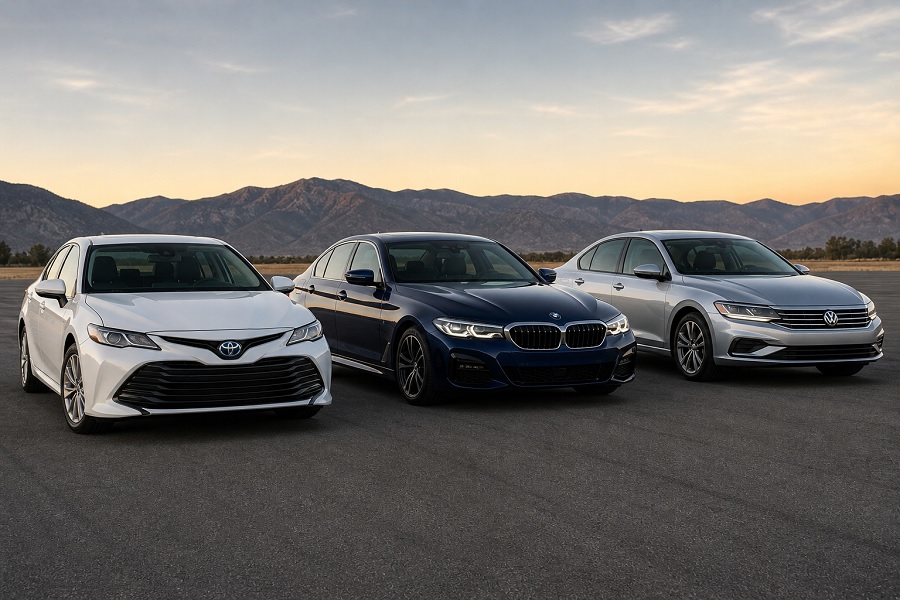
Major players like Toyota, BMW, and Volkswagen are investing heavily in solid-state battery research.
Toyota aims to introduce solid-state EVs later this decade
BMW is testing prototypes with partners
Volkswagen is backing startups focused on this technology
Will Lithium-Ion Be Replaced Completely?
Not so fast.
Lithium-Ion Battery technology is still evolving:
Improved efficiency
Reduced costs
Better thermal management
In the near future, both technologies are likely to coexist:
Lithium-ion for affordable, mass-market EVs
Solid-state for premium or long-range vehicles
Timeline: When Can We Expect It?
2025–2027: Limited production and pilot EV models
2028–2035: Gradual adoption in premium segments
Beyond 2035: Wider commercialization (if challenges are solved)
Final Verdict
Solid-State Batteries have the potential to revolutionize electric vehicles, offering better range, safety, and performance. However, replacing Lithium-Ion Battery entirely will take time.
For now, think of solid-state batteries not as a replacement—but as the next evolution in EV technology.